 Mirabelle Ford
How does SpotOn handle a change in course?
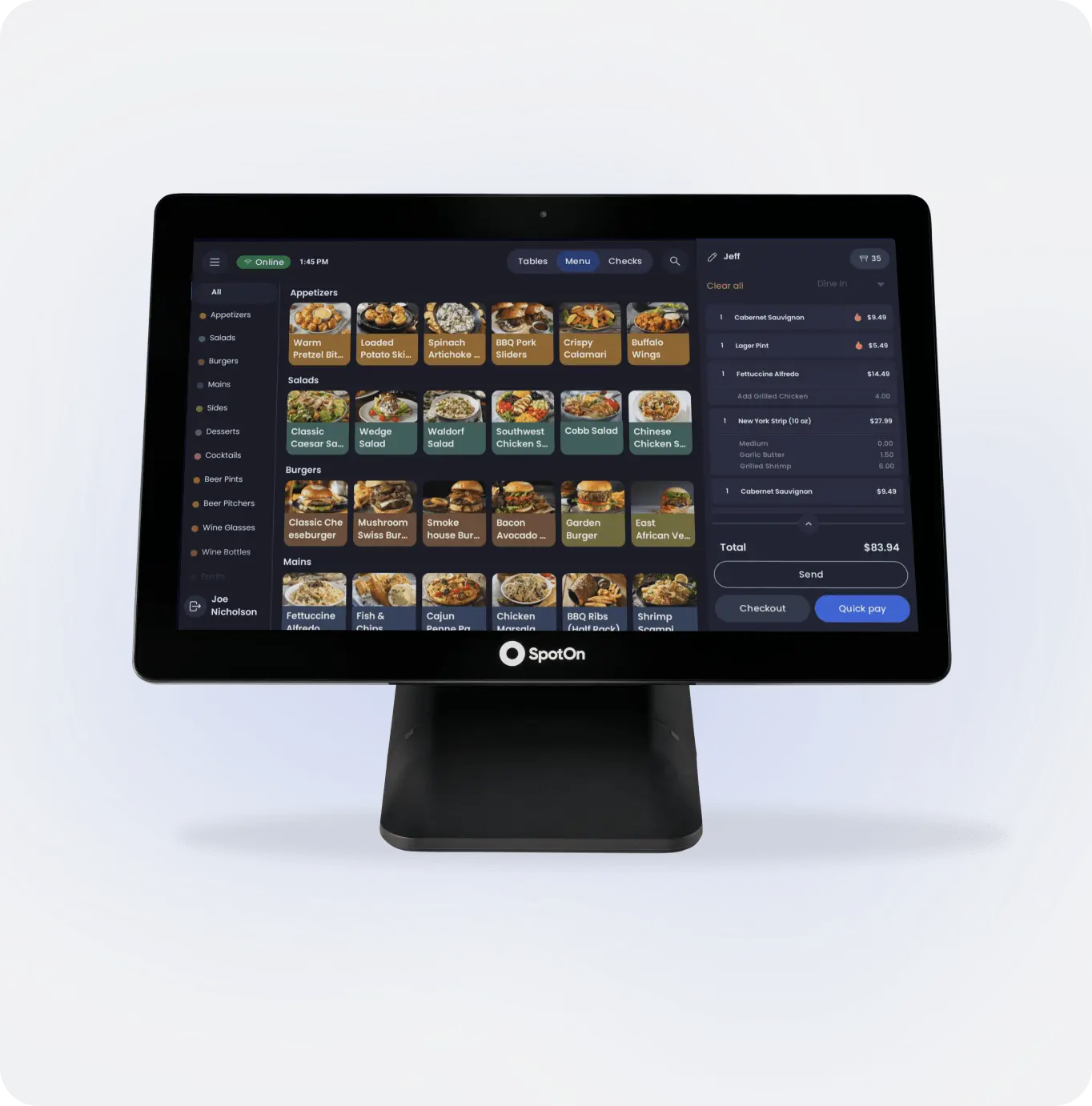
Suppose three guests order fish for their main course, while the fourth chooses the crab starter and asks to eat it alongside them. With coursing enabled, the server can select the crab on the order ticket and use Change Course before sending it. The dish keeps its menu identity and price, and its course assignment reflects when the guest wants it served.
Timing is a separate decision. SpotOn’s Hold command lets the server enter an item and keep it from going to the kitchen. When the table is ready, the server can select Release so the held item can be sent. During the birthday toast, that gives the server a way to leave the mains on the order while the guests finish their first course at their own pace.
A held dish also raises a practical question for the chef. If the fish takes twelve minutes and the crab takes three, when does each station need to know about it? Walk through that order with the person running the pass. Have the server enter the dishes, hold them, then release them while the chef watches the kitchen ticket or display. Both people should leave the exercise knowing exactly what the kitchen can see at each stage.
Can the wine team distinguish a glass from a bottle?
For a wine list, the first test is legibility. Put the same Sancerre on a sample order twice, once by the glass and once by the bottle. Hand the resulting ticket to the person working the bar. Can they identify the two serving formats at a glance? A label such as “Sancerre, Domaine Martin, glass” gives a bartender more to work with than two entries that both say “Sancerre.” Add the vintage when it distinguishes bottles on your list.
Then follow the order into the dining room. The glass might be poured at the bar while a sommelier retrieves the bottle for tableside presentation. During a SpotOn demo, ask to see where each order appears on your proposed setup. Have the bartender and sommelier describe what they would do next. If both reach for a bottle, you have found a service problem while it is still easy to change the ticket wording or agree on who handles the order.
Restaurants with a substantial cellar should also test inventory using their own pour sizes. Ask the representative to enter one bottle sale and several individual glasses of the same wine, then show your beverage manager the resulting stock record. Include an opened bottle carried over from the previous evening. That example will help you establish which counts your proposed setup can maintain and which ones still need attention at closing.
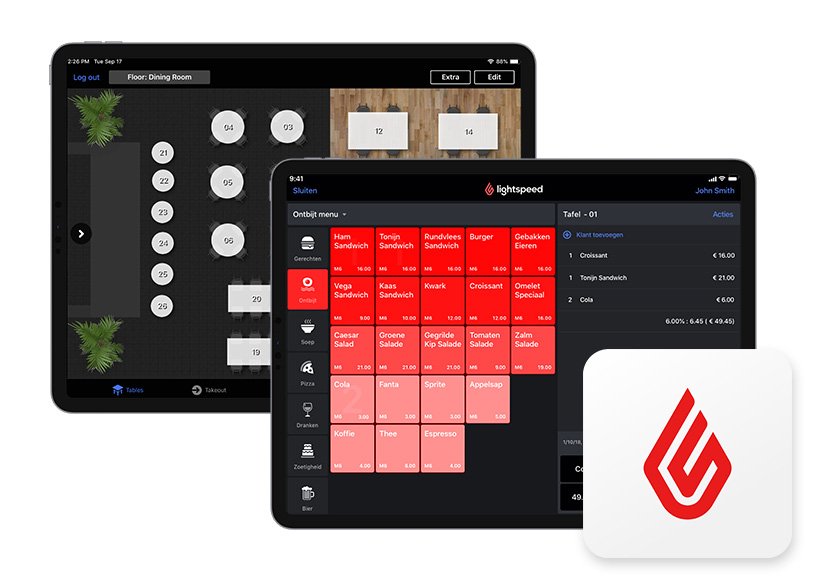
Also read: Lightspeed for Fine Dining: Can It Handle Courses, Wine Orders, and Split Checks?
What happens when only two guests share the wine?
Imagine the Sancerre costs $96. Two guests agree to share the bottle, the third orders a $17 glass, and the birthday guest drinks sparkling water. Dividing all the beverages equally would produce four tidy-looking checks and four incorrect amounts. SpotOn lets the server select the bottle, choose Split, and identify the two guests sharing it. Each owes $48 for the bottle before tax or gratuity. The separate glass stays with the person who ordered it.
There is one important detail for staff training. Once an item split is confirmed in SpotOn, that action cannot be undone. If one guest is still saying, “I might get the wine,” leave the bottle intact until they decide. When someone offers to pay for the whole bottle, the server can move the unsplit item to that guest. The same approach works for the host who wants to pick up the birthday guest’s entrée.
At checkout, SpotOn can separate checks by guest or divide the payment equally. Choose according to what the guests have asked for. Two couples may want to put half the total on each card, regardless of who ordered dessert. Four colleagues claiming individual expenses may each need their own food and drinks itemized. Assigning items to guests as dinner progresses makes the second request much easier to fulfill when everyone is ready to leave.
Is SpotOn a good fit for your dining room?
Bring a recent Friday-night check to the demo and give it to a server who knows your floor. Ask the chef to watch the courses arrive, the bartender to read the wine order, and a manager to settle the bill as the host. Introduce one change halfway through, such as a guest offering to cover dessert. See whether the team can finish the transaction while the person playing the guest stays seated.
SpotOn is worth considering for a fine-dining restaurant where servers pace the meal and guests regularly share dishes or bottles. The deciding details are easy to observe. The crab should arrive with the fish, the sommelier should know which bottle to present, and the host should be able to buy someone dinner quietly. If your team can deliver all three using its own menu, the system has passed a meaningful service test.