 Mirabelle Ford
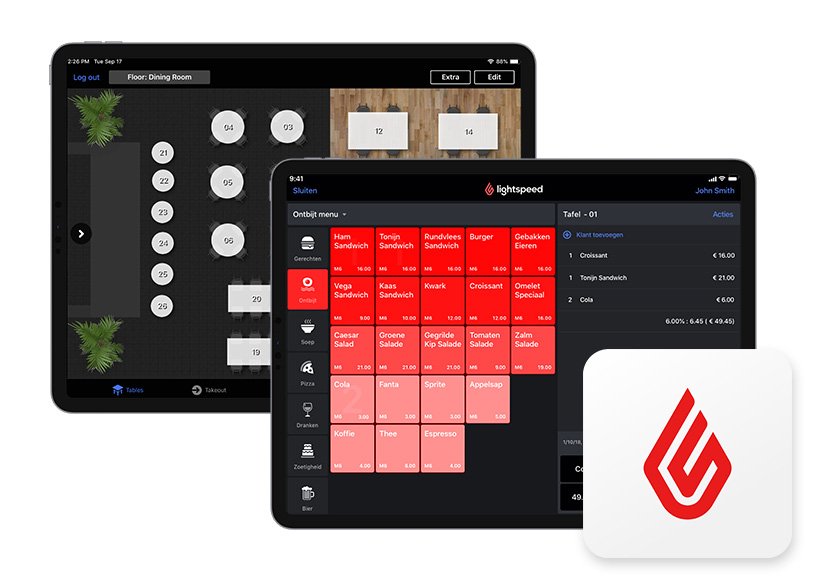
Lightspeed Restaurant K-Series can handle all three parts of that dinner. Servers can assign dishes to seats and courses, signal when the kitchen should prepare the next course, and divide a check by guest or in equal shares. Wine service takes a little planning. How the restaurant names each wine, where the order prints, and who gets charged for a shared bottle all affect the experience at the table.
Can the kitchen follow the table’s pace?
Consider the guest who ordered scallops. On the printed menu, scallops are a starter. For this guest, they belong to the second course. In Lightspeed’s Table Service mode, the server can assign the dish to that guest’s seat and place it in the course when they want to eat it. If the server initially enters the scallops with the oysters, the system also supports moving an item to another course or seat.
When the oysters arrive, the server can judge how dinner is progressing. Perhaps the guests finish quickly and ask about their mains. Perhaps two are still eating while the others listen to a story. When the timing looks right, the server reopens the order and selects Fire course. That sends the next course ticket to the relevant preparation station. The kitchen gets an explicit signal, and the guest who chose scallops can eat alongside the rest of the party.
One detail deserves attention during setup. What does “fire” mean in your kitchen? A steak may need considerably longer than a plate of scallops. Ask the chef and whoever coordinates plates at the pass to inspect the tickets together. They should agree on what advance notice the kitchen needs and who calls the final pickup. That conversation matters most on a busy night, when two stations must finish dishes for the same table at the same moment.
How well does Lightspeed handle wine orders?
A wine order has two audiences. The guest wants to recognize the bottle they selected. The person pulling it from the cellar needs enough detail to find the right one. Lightspeed lets restaurants configure menu items and route orders to production centers. For example, an alcohol accounting group can direct beverage tickets to the bar. A restaurant can use that setup to send wine orders to the station responsible for filling them.
Start with a wine you sell both by the glass and by the bottle. Give each serving format a distinct, readable entry, then inspect the printed ticket. Can a bartender tell at a glance whether to pour one glass or bring an unopened bottle to the table? If you carry two vintages from the same producer, include the vintage wherever it affects the selection or price. Ask someone who didn’t build the menu to find the bottle using only the ticket.
A larger cellar raises a separate buying question. Suppose the bar opens a bottle for a single glass, then sells the remaining pours over dinner. During a demo, ask the representative to ring those sales and show exactly what changes in inventory. Repeat the exercise with a whole-bottle sale of the same wine. Seeing the stock record afterward will tell your beverage manager how much reconciliation the team would need at closing.
What happens when guests want separate checks?
Lightspeed offers two straightforward starting points. If four friends want to divide dinner equally, the server can split the total by covers. If each guest wants to pay for what they ordered, the server can distribute the check by seat. For the second option, entering individual dishes against the correct seats throughout dinner saves the server from reconstructing the order over coffee. A manager must enable advanced check splitting in the Back Office and reload the device configuration before staff can use it.
The shared Burgundy is where the distinction matters. Say the bottle costs $120 and the server entered it as a shared item. On a four-seat split, Lightspeed initially puts $30 on each check. If the host offers to buy the bottle, the server can edit the shares and assign the full charge to the host. Staff can then print individual draft checks and review them before taking payment. That last glance is especially worthwhile when someone has offered to treat the table discreetly.
Is Lightspeed a good fit for your dining room?
Bring one recent dinner order to the demo. Pick a table your team remembers because something changed halfway through service. Give the order to a server, put the chef at the kitchen printer, and ask a manager to play the guest who requests separate checks. Let each person work from the information that would actually reach them on a Friday night.
Then compare what each person saw. Did the chef know when to start the scallops? Could the bartender identify the Burgundy and its serving format? Did the host receive one understandable wine charge? Pay attention to any point where someone had to walk across the room to explain a ticket. That tells you precisely which menu entry, routing choice, or service convention needs work.
For a fine-dining restaurant that paces courses from the floor and regularly accommodates individual payment requests, Lightspeed K-Series is worth a shortlist. Its strongest feature for this kind of service is the connection between the seat, the dish, and the eventual check. For a wine-led restaurant, the deciding test is what happens after the bottle is opened. Run that example with your own wine list before you buy.